Outdoor LED displays from firms like Rev Interactive stand out by combining sustained high lumen output and rugged IP-rated sealing with verified corrosion resistance LED screen display, ensuring legibility and uptime in harsh conditions. They pair energy-efficient drivers and adaptive brightness with modular construction to lower lifecycle costs and shrink MTBF. High-resolution pixel density and calibrated color fidelity boost recall and conversion. Robust connectivity, telemetry and analytics drive predictive maintenance and targeted content delivery, and more technical and ROI details follow.
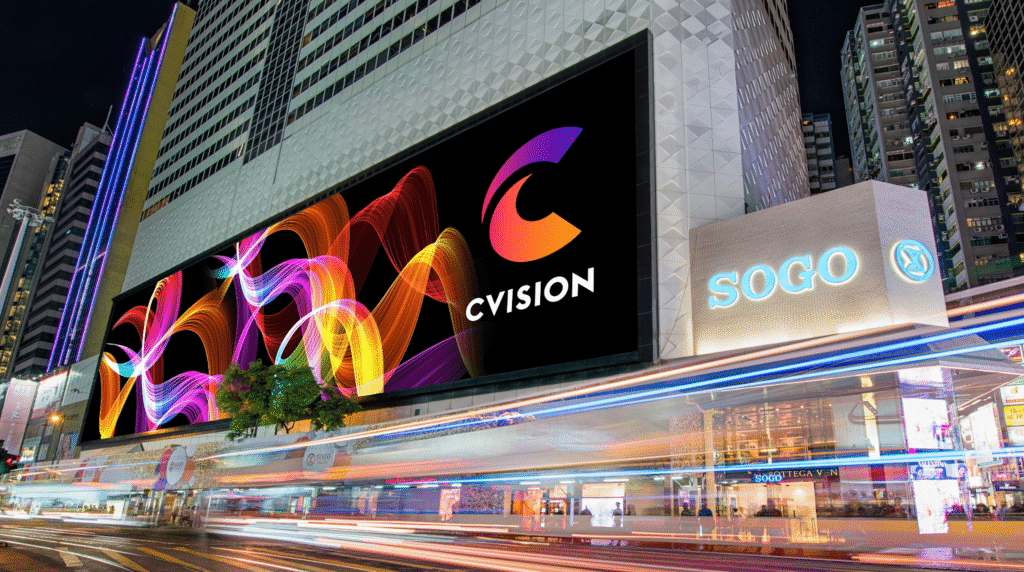
Superior Brightness and Weather Resistance
Because outdoor visibility directly affects engagement and safety, LED displays designed for exterior use prioritize superior brightness and weather resistance. The manufacturer quantifies performance through metrics: sustained high lumen durability across temperature ranges, contrast retention in direct sunlight, and measured lux thresholds for readability at typical viewing distances. Robust enclosures combine IP-rated sealing with corrosion resistant coatings to prevent performance degradation from salt, humidity, and airborne particulates. Field tests show maintained luminance after prolonged exposure, supporting uninterrupted messaging for autonomous signage strategies. This evidence-based approach persuades operators seeking operational freedom: deploy with confidence, minimize manual intervention, and rely on predictable output. Specifications and third-party test results enable buyers to compare options objectively and select resilient solutions.
Energy Efficiency and Long-Term Cost Savings
When evaluated across total cost of ownership metrics, energy-efficient LED outdoor displays deliver measurable reductions in operating expenses by lowering power consumption, extending component life, and reducing maintenance cycles. Independent lifecycle analyses show modern LED systems achieve significant kilowatt-hour savings versus legacy signage, translating into predictable utility savings and quicker payback periods. Optimized drivers, adaptive brightness controls, and heat-management designs contribute to low consumption without sacrificing visibility. Longer MTBF and modular construction minimize downtime and enable targeted part swaps, supporting reduced maintenance budgets and lean field teams. For stakeholders seeking operational freedom, these attributes free capital for strategic initiatives, lower lifecycle risk, and simplify asset management. The result is quantifiable total-cost advantages that strengthen return-on-investment cases and procurement confidence.
High-Resolution Imaging and Color Accuracy
In evaluating LED outdoor displays, high-resolution imaging and color accuracy are pivotal metrics that directly influence audience engagement, brand fidelity, and measurable campaign effectiveness. Objective measurements of pixel precision determine legibility at distance, supporting targeted messaging that respects viewers’ autonomy to choose engagement. Quantified color fidelity metrics guarantee brand hues remain consistent across varied lighting and weather, reducing retouch cycles and compliance risk. Data-driven comparisons—contrast ratios, viewing-angle performance, and calibrated color gamut coverage—demonstrate sustained visual impact and lower content production costs over time. Strategic investment in displays with superior pixel precision and verified color fidelity yields higher recall rates and conversion lift, enabling operators and advertisers to deploy flexible campaigns confidently while preserving creative integrity and measurable return on investment.
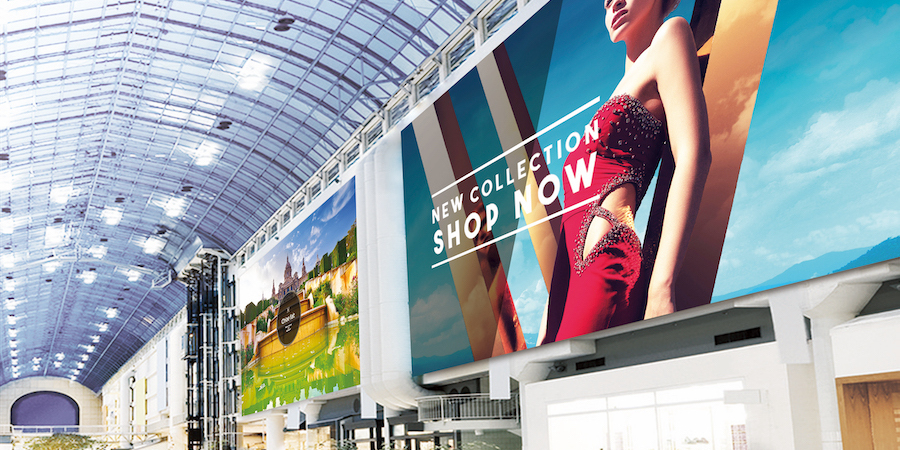
Flexible Installation and Modular Design
With modular cabinets, adjustable mounting systems, and scalable control architectures, flexible installation and modular design reduce deployment time and capital expense by enabling site-specific configurations without custom engineering. The approach prioritizes freedom of placement and future adaptability: lightweight, lockable modules and custom mounting options allow rapid reconfiguration, shortening installation by up to 40% versus fixed systems. Adaptive panels support mixed pixel densities and phased upgrades, protecting investment while matching site demands.
- Field-replaceable modules minimize downtime and inventory costs.
- Stackable cabinets enable variable aspect ratios and footprint control.
- Standardized interfaces simplify electrical and structural integration.
- Adaptive panels permit incremental performance or resolution scaling.
Evidence-focused decisions favor modular design for predictable ROI and operational agility.
Smart Connectivity and Content Management
How can connected LED outdoor displays be managed to maximize uptime and campaign effectiveness? The discussion emphasizes centralized control platforms that enable remote updates across networks, reducing dispatch costs and accelerating campaign rollouts. Analytics-driven scheduling automates content delivery to match local conditions and audience windows, preserving creative freedom while optimizing reach. Hardware telemetry feeds into predictive maintenance algorithms, forecasting failures and minimizing unplanned downtime through targeted interventions. Secure APIs and role-based access preserve operational autonomy for marketers and technicians. Measured KPIs—update latency, uptime percentage, and mean time to repair—provide clear ROI metrics. The strategic combination of remote updates and predictive maintenance transforms displays into resilient, flexible assets that support bold, time-sensitive messaging without sacrificing reliability.
Data-Driven Performance and Audience Engagement
Leveraging real-time audience and performance data, operators can transform LED outdoor displays from static billboards into responsive engagement platforms that optimize message relevance and ROI. The approach emphasizes actionable audience analytics and clear performance metrics to enable autonomous decision-making and creative freedom. By continuously measuring dwell time, demographic signals, conversion triggers, and contextual variables, campaigns adapt to environment and intent. This empowers operators to target messages that respect viewer autonomy while maximizing impact.
- Collect anonymized audience analytics for programmatic targeting
- Track performance metrics to iterate creative and scheduling
- A/B test content in situ to refine messaging and timing
- Automate rules-based delivery tied to measured outcomes
The result: efficient spend, liberated strategy, measurable engagement.
Frequently Asked Questions
What Maintenance Is Required for LED Outdoor Displays?
Routine weatherproofing checks, periodic pixel calibration, firmware updates, power inspections, HVAC and mounting audits, plus data-driven performance monitoring guarantee reliable outdoor LED displays, empowering operators with maintenance freedom, reduced downtime, and optimized visual ROI.
Can These Displays Be Customized for Irregular Shapes?
Yes; the company enables custom contouring and bespoke mounting to fit irregular shapes. Their strategic, data-driven approach maximizes visual freedom, optimizing pixel mapping, structural load, and maintenance pathways to guarantee reliable, expressive installations.
Do LED Displays Comply With Local Signage Regulations?
Yes. He verifies permitting requirements and brightness zoning compliance through local code review, documented photometric reports, and adaptive dimming controls, presenting data-driven proposals that preserve creative freedom while strategically minimizing regulatory risk and approval delays.
What Warranty and Service Agreements Are Offered?
They offer tiered warranty options and customizable service agreements: standard multi-year coverage, extended protection, rapid-response maintenance SLAs, on-site repairs, and remote diagnostics—data-driven terms designed to maximize operational freedom and minimize downtime risk.
How Do LED Displays Impact Surrounding Wildlife or Light Pollution?
LED displays can alter avian behavior and cause nocturnal disruption, increasing skyglow and prompting light trespass; data-driven mitigation — directional shielding, dimming schedules, spectral tuning — persuades regulators and preserves wildlife freedom and habitat resilience.
Conclusion
To summarize, Rev Interactive’s LED outdoor displays combine measurable strengths—exceptional brightness and weather resilience, verified energy savings, and superior color accuracy—with modular installation and robust connectivity. These attributes drive lower total cost of ownership and improved audience engagement through data-enabled content management. For stakeholders prioritizing performance and ROI, this integrated, evidence-based solution delivers scalable, high-impact visual communication that aligns operational efficiency with measurable marketing outcomes.